On Picture Books, And What They Teach A Child To Expect
Small Enough To Carry
Six small square books that teach emotional regulation to children aged 3 to 7, one feeling at a time, and one argument about what a picture book should promise a child on a hard evening. Why they were made, who they are for, and what stays with a family after the book is closed.
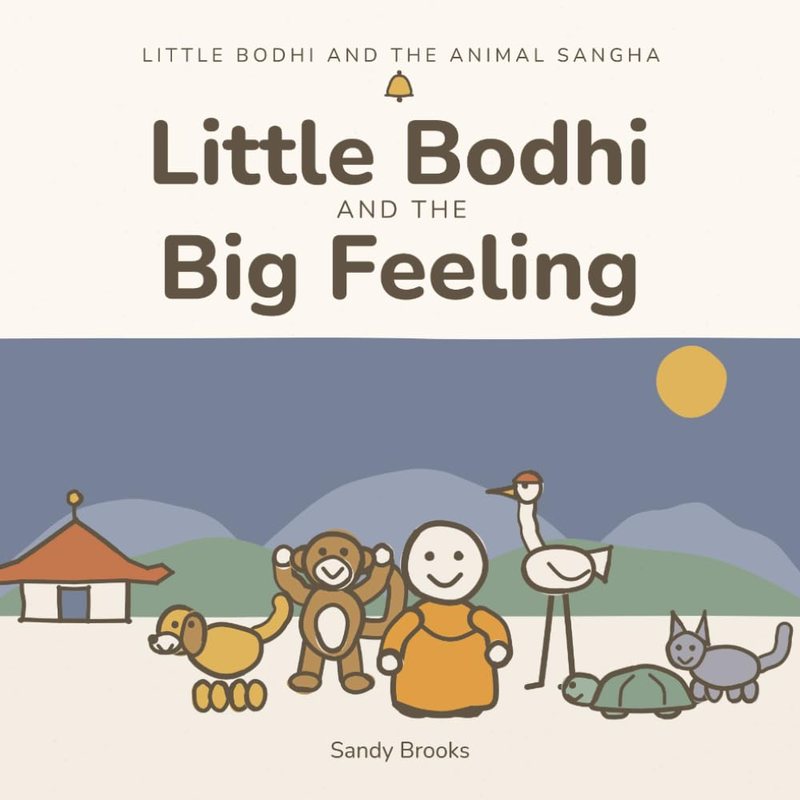
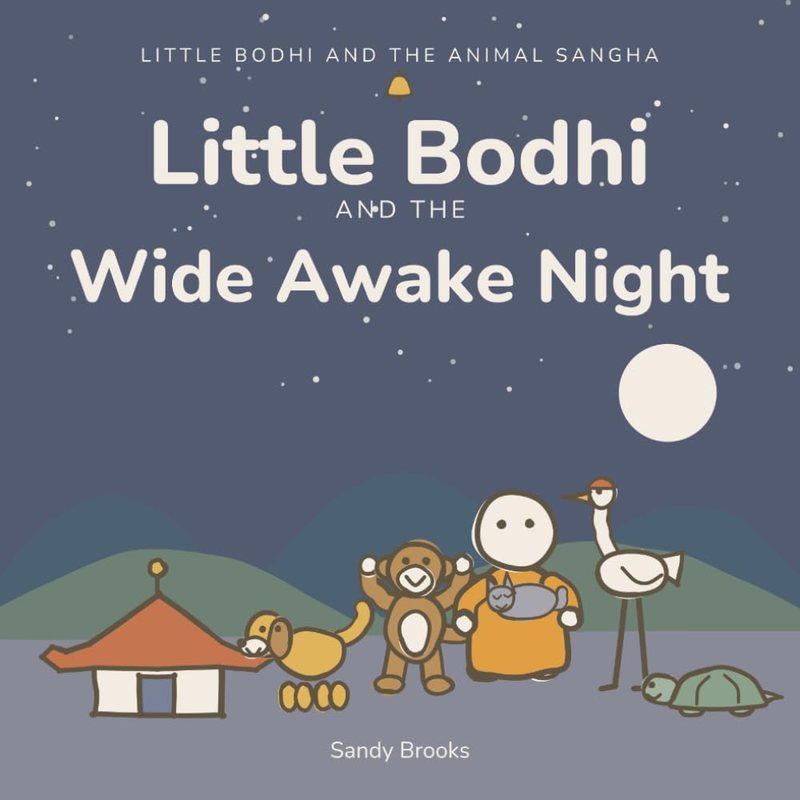
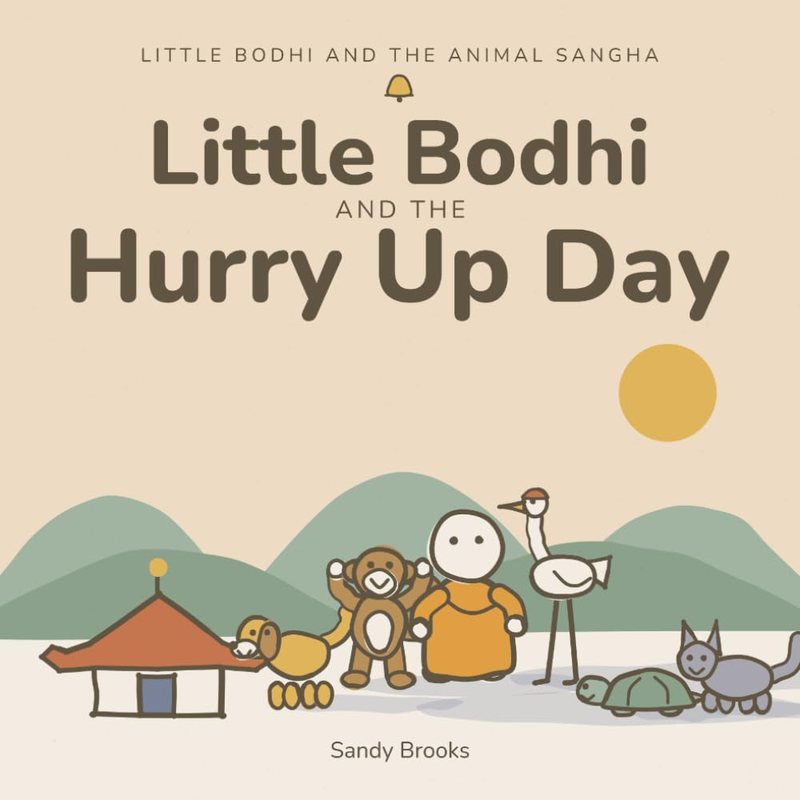
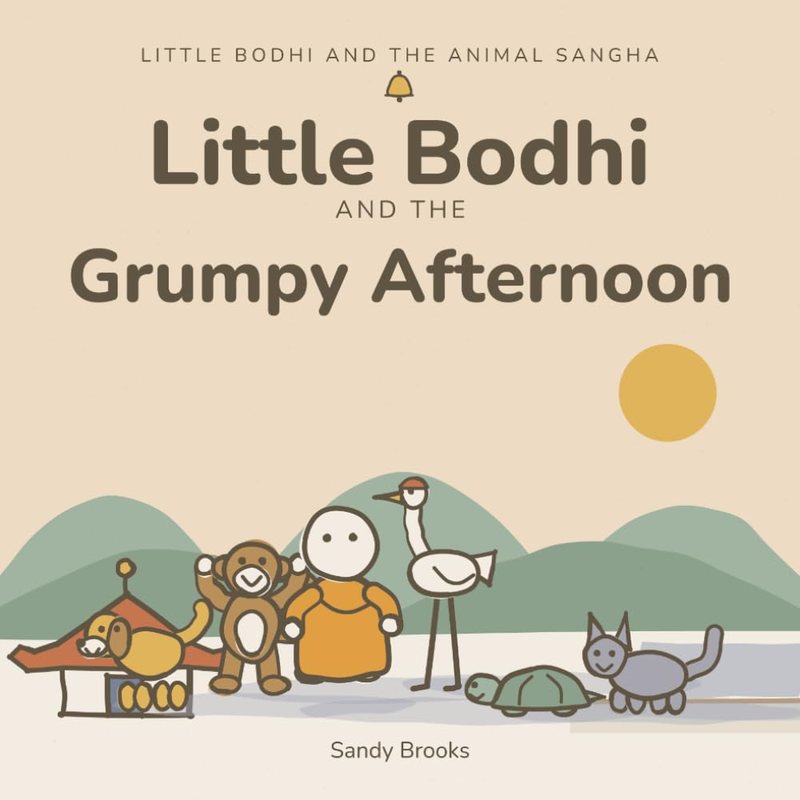
It is twenty past six on a Thursday. The tower of stones was the tallest one he had ever built, and now it is not a tower, it is a scatter across the yard. The first thing that happens is not a thought. It is a temperature. His ears are hot.
What happens next is where a picture book decides what kind of book it is. In most of them, an adult arrives. The adult kneels down, uses a warm voice, names the feeling, offers three deep breaths, and by the last spread the child is smiling and the feeling is gone. It is a lovely scene and it sells extremely well. It also sets up the one expectation that will fail a child at the exact moment the child needs it most.
The Promise That Cannot Be Kept
A four year old is a literalist. If a book shows that three breaths make the anger disappear, that is not a metaphor to her. That is the instruction manual. So the next time the anger comes, she takes her three breaths, and the anger is still there, because anger does not work that way in a real body on a real evening. She has now learned something the book never meant to teach: that the technique works for children in books, and it does not work for her.
The six Little Bodhi books make a smaller promise, and the smaller promise is the whole reason they exist. Sometimes a feeling does lift and float clean off, and when that happens it is a good evening for everybody. What a book should not do is guarantee it. So these books promise only the part that is always available. The feeling gets smaller. It gets small enough to carry, and the child carries it, and the day goes on. A tired grown-up can deliver on that the same evening without lying to anybody.
That refrain appears three times in every book, printed word for word, and it is the piece that leaves the book. Children chant it by the second reading. Parents catch themselves using it in the car, in the grocery line, and outside the dentist's office, usually before they notice they have started. It is a small enough thing to remember while holding a bag and a hand and a set of keys, which is the only real test a calming phrase ever has to pass.
Nobody Tells Bodhi To Calm Down
Bodhi is a small round cheerful child in orange robes who lives at a temple with six animal friends. When the big feeling arrives he stomps away, and here is the rule that shapes every page after it: nobody follows him. No adult appears in the frame to fix it. Nobody explains the feeling, names a strategy or delivers a lesson.
This is not neglect, and children read it correctly. The patience of the grown-ups is expressed entirely by their absence. Nobody is chasing him, nobody is negotiating with him, and nobody is standing over him waiting for him to be pleasant again. The temple simply goes on being the temple until he is ready, which is the most respectful thing a place can do for a person in a bad mood.
It also changes who is doing the work. The child in the story handles his own feeling, and the child in the lap watches a child his own size handle it. That is a different transaction from watching an adult apply a procedure to a child. And it takes the pressure off the reader, who is not being handed a script of the wise things a better parent would have said.
The Same Five Beats, Every Time
Every book in the series runs the identical shape. Something ordinary goes wrong. The feeling gets big and lands somewhere in the body, in hot ears or a fast heart or heavy legs. Bodhi visits a friend, and the friend does not help, because the friend is an animal and simply goes on doing what that animal does. Bodhi borrows it, and the breath refrain follows. Then the feeling gets smaller without disappearing.
The sameness is not a shortcut. It is the teaching. Small children learn the shape of a thing long before they learn its content, and a shape that repeats is a shape they can predict, and predicting what comes next is itself the beginning of self regulation. By the third book a child knows that the hard part is not the end of the story. That knowledge does not arrive by being explained. It arrives by being true five times in a row.
Six Friends, Six Different Skills
The animals use their species as their names, which reads like Frog and Toad, translates cleanly, and gives nobody a pronunciation problem. Underneath the simplicity, the six of them are carrying a real curriculum, one piece each.
Turtle takes his time, and teaches the pause. Monkey cannot sit still, and teaches discharge, which is the business of shaking a feeling out through the body. Cat naps in a square of sun without apologising to anyone, and teaches rest. Crane stands on one leg looking at the far hills, and teaches the wide view, which is the discovery that this is one moment inside a very large day. Puppy makes a mess, is sorry, and turns out to still be good, which is repair. Bodhi breathes.
One detail in that lineup is deliberate and never varies: Monkey always comes before Cat. A body full of unspent energy cannot be told to be still first. It has to move before it can settle, which is why every adult who has ever tried to put a wound up child straight into bed already knows how that goes. The books put the shaking out before the lying down, in that order, every time.
Pause, discharge, rest, perspective, repair, and the breath at the center of it. That is a list a therapist would recognise. A three year old meets it as six animals in a temple yard, and never has to be told it is a list at all.
One Feeling Per Book
Six titles, six feelings, one shape. Reach for whichever one matches the evening you are actually having.
All six are available now in paperback and on Kindle. Hardcover, and the ebook on Apple Books and Google Play, are on the way.
What The Pages Actually Look Like
Flat color, ten hues, no gradients and no perspective. Faces are two dots and one curve, and nothing more, which means the feeling has to be carried by the shape of a body and the temperature of the page. A slumped orange figure on a cold blue field reads as sad to a four year old before a single word is read aloud, and it keeps reading that way at arm's length across a classroom rug.
Only half the spreads have anybody in them. The others are texture: fallen stones on bare paper, rain, ripples, a square of sunlight on a floor, a single breath line crossing the gutter. Those pages are where the book slows down and where the reader's voice drops without being told to. There was a moment during the first book when window mullions were drawn across the sunlight patch and then deleted, because they made the empty light look busy. That deletion is the house style in miniature. When a page is meant to be nearly empty, it is left nearly empty.
The physical object is square, 8.5 inches on a side, 38 pages, full color, about five hundred words of story. That is one sitting at the end of a day, read aloud, with room to stop and look. Long enough to be a real book. Short enough that a tired adult on the fourth request of the evening can say yes.
The Two Pages At The Back
Every book closes with a short note for grown-ups, and it is the page most parents flip to first in a shop. It says what the feeling actually is, in plain language: what a bad mood at four in the afternoon usually is underneath, why worry loops, why a sorry that will not shake out is different from the other feelings. Then it gives three small physical things to try together. Walk Like Turtle. Look Like Crane. Rest Like Cat.
This is the part that makes the books useful rather than merely pleasant. It hands the household a shared vocabulary, and the vocabulary is what survives outside the book. A parent who says walk like Turtle on the way to the car is not issuing an instruction the child has to decode under stress. She is naming something they already did together, on a good night, when nothing was wrong.
The Buddhism Is In The Furniture
There is a bell, there are robes, there are stones, and at the end of each book everybody sits down. That is where the tradition lives, and it stays there. Nobody meditates at anybody. There is no doctrine, no vocabulary lesson and no moral tacked on at the end, and the word sangha never appears inside a story, only on the covers.
The result is a set of books that a secular household can read as gentle stories about a boy and some animals, and that a Buddhist household can read without wincing, because nothing has been flattened into a slogan. The calm is in the pacing and the palette rather than in anything the books announce about themselves.
The Book They Saved For Last
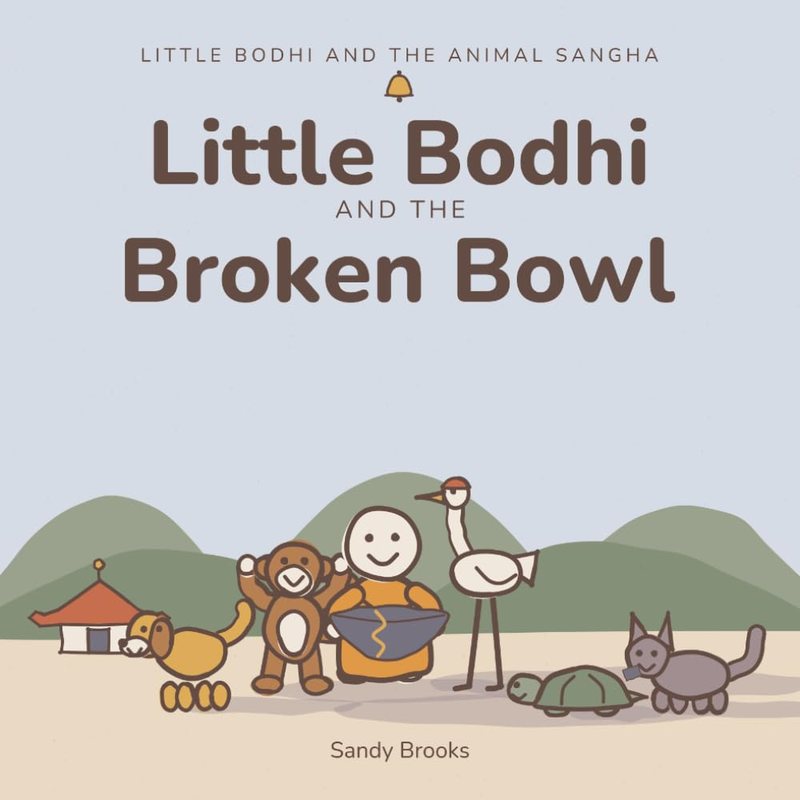
The Broken Bowl was always going to be the sixth one, and it was always going to be the hardest. Every other book in the series is about a feeling that arrives and then eases. This one is about a feeling a child has earned. Something is broken, it cannot be unbroken, the sorry does not shake out through the body the way the wiggle does, and it stays all day.
What the book refuses to do is let that be the end of the sentence. The sangha goes back for the pieces together, the bowl is mended, and the mend is visible: the crack shows in gold. A child does not need the word kintsugi to understand what the picture is saying. I did a bad thing and I am still a good kid, and the repair is part of the object now.
That is the sentence the whole series was built to be able to say, and it is why the shape had to be established across five easier books before this one could land.
Where To Start
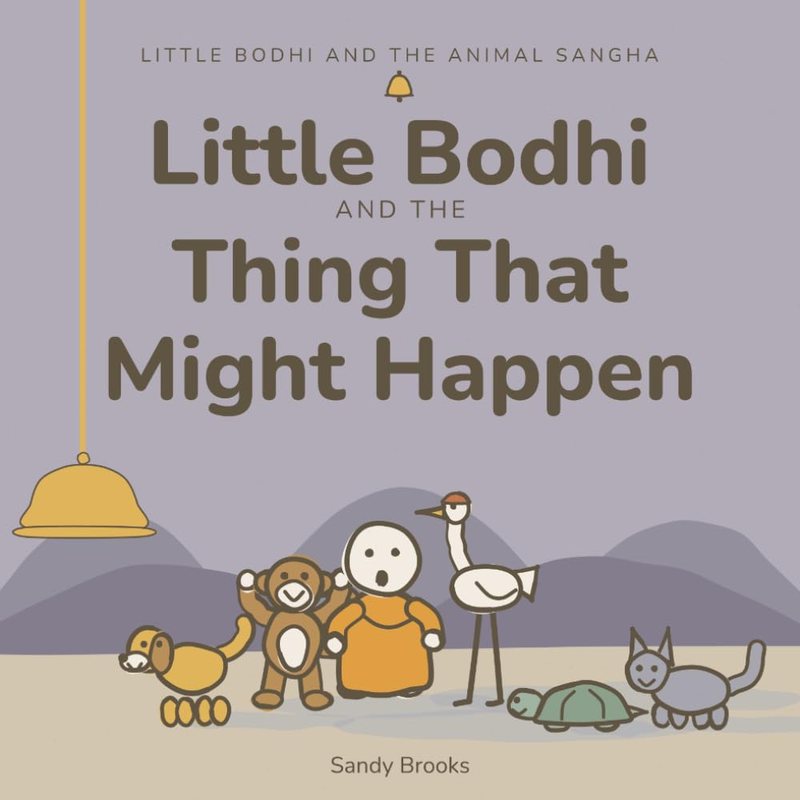
Start with the evening you are actually having. If the trouble is a temper that arrives faster than anybody can talk, start with The Big Feeling. If it is a child who is technically in bed and functionally awake, start with The Wide Awake Night. If your mornings are a series of instructions delivered at speed, The Hurry Up Day is about that, and it is quietly about the adult too. The Grumpy Afternoon is for the four o'clock nothing is wrong and everything is wrong. The Thing That Might Happen is for the child who lies down and starts listing tomorrows. And The Broken Bowl is for the day after something got broken, which is usually when a child is still carrying it and nobody has said so out loud.
They can be read in any order. A child who knows one already knows how the next one goes, which is the point.
Sometimes the feeling lifts by itself. When it does not, it still gets smaller, and small enough to carry is enough to get through an evening. That is the promise these books make, and it is one a grown-up can keep.